Aligning Resource Planning with Statutory Demands in Digital Betting Systems

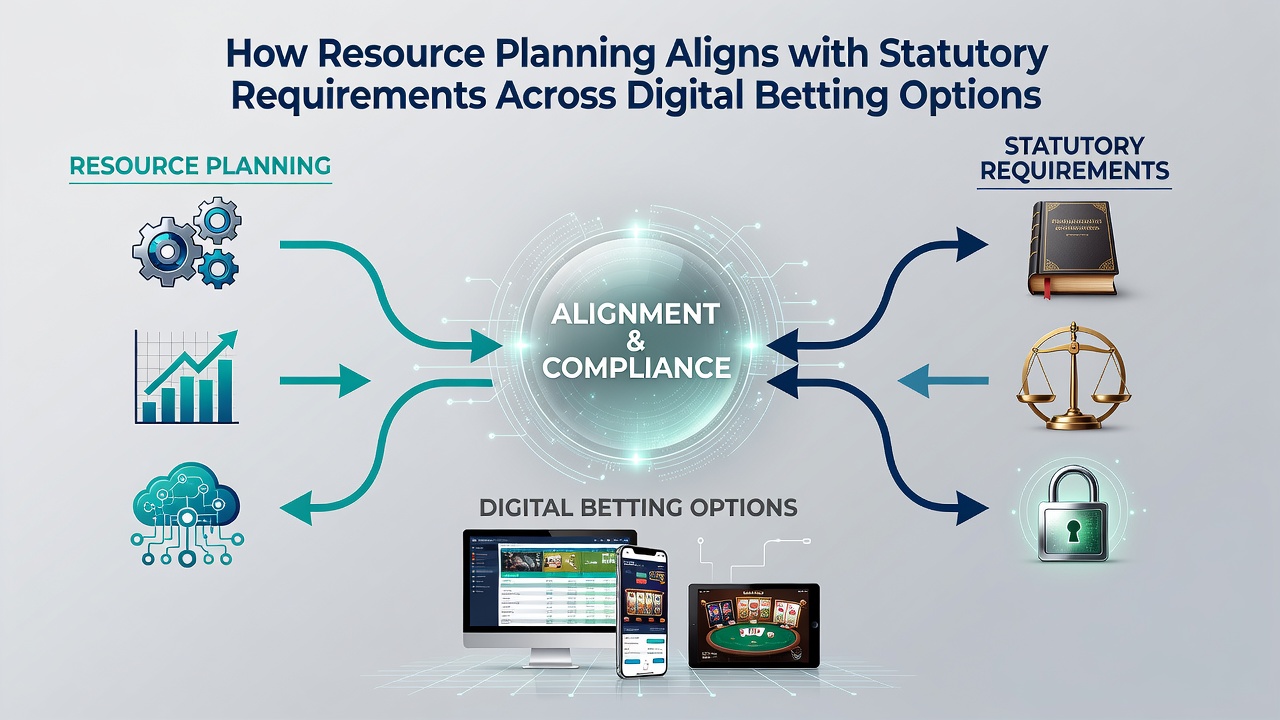
Resource planning in digital betting environments requires operators to coordinate financial, technological, and human assets so these elements satisfy licensing conditions and consumer protection statutes across multiple jurisdictions. Companies allocate budgets for software upgrades while they schedule staff training sessions that address evolving rules on transaction monitoring and age verification.
Core Components of Resource Planning
Effective planning begins with assessments that map current capabilities against projected regulatory changes, and this process incorporates data on player volumes, transaction patterns, and risk indicators. Teams review server capacities alongside cybersecurity protocols because statutes often mandate specific encryption standards and audit frequencies. Budget forecasts include line items for external audits, while staffing models project needs for compliance officers who handle reporting obligations in real time.
Operators track key performance indicators such as response times to suspicious activity alerts and completion rates for mandatory player education modules, and these metrics guide adjustments in both technology investments and personnel deployment. Research from the National Council on Problem Gambling shows that integrated planning reduces instances of non-compliance by aligning daily operations with documented legal thresholds.
Statutory Requirements Across Betting Formats
Different digital products face distinct rules that shape resource priorities. Sports betting platforms must maintain records of odds changes and settlement processes to meet transparency demands, whereas online casino offerings require random number generator certifications and payout verification systems. Poker rooms allocate resources toward collusion detection algorithms because statutes emphasize fair play monitoring.
Virtual slot providers focus on session limit tools and loss cap mechanisms, and these features demand ongoing software maintenance plus user interface testing. Across formats, anti-money laundering statutes require customer due diligence procedures that scale with deposit volumes, prompting operators to expand compliance teams during peak periods. Data protection laws add another layer since operators must secure personal and financial information under frameworks that vary by region.
Implementation Approaches in Practice
Many platforms adopt centralized dashboards that consolidate regulatory reporting from multiple product lines, and this centralization allows resource reallocation when one segment shows higher risk signals. Cross-functional teams combine legal experts with data analysts to interpret new guidelines and translate them into operational workflows. In June 2026 several jurisdictions plan to release updated guidance on digital payment integrations, prompting operators to review vendor contracts and upgrade transaction logging capabilities in advance.
Training programs incorporate scenario-based exercises that simulate regulatory inspections, and these sessions help staff internalize procedures for document retention and incident escalation. Partnerships with third-party testing laboratories ensure technical resources meet certification standards without diverting internal teams from core development tasks. Figures from the Australian Institute of Criminology indicate that structured planning correlates with faster adaptation to rule changes across online wagering sectors.
Regional Variations and Resource Adjustments
European markets emphasize consumer cooling-off periods and self-exclusion registries, so operators dedicate resources to interoperable databases that span multiple countries. North American frameworks often focus on state-level licensing and tax remittance systems, requiring flexible accounting modules that accommodate different reporting calendars. Asian jurisdictions frequently impose strict advertising restrictions, leading companies to adjust marketing budgets and creative review processes accordingly.
Operators maintain contingency reserves for unexpected enforcement actions, and these reserves cover both legal fees and system remediation work. Regular internal audits identify gaps before external reviews occur, while automated alerts flag potential breaches in spending limits or bonus structures. The approach allows firms to scale resources up or down based on seasonal activity and emerging statutory updates.
Conclusion
Resource planning serves as the operational bridge between statutory obligations and daily platform management across digital betting channels. Through systematic allocation of technology, personnel, and financial assets, operators sustain compliance while supporting product growth. Continued monitoring of regulatory developments, including those scheduled for mid-2026, helps maintain alignment as markets evolve.