Baccarat Banker Bets Uncovered: House Edge Secrets and Scorecard Pattern Plays That Casinos Track
Baccarat Banker Bets Uncovered: House Edge Secrets and Scorecard Pattern Plays That Casinos Track
Baccarat Basics and Why Banker Bets Stand Out
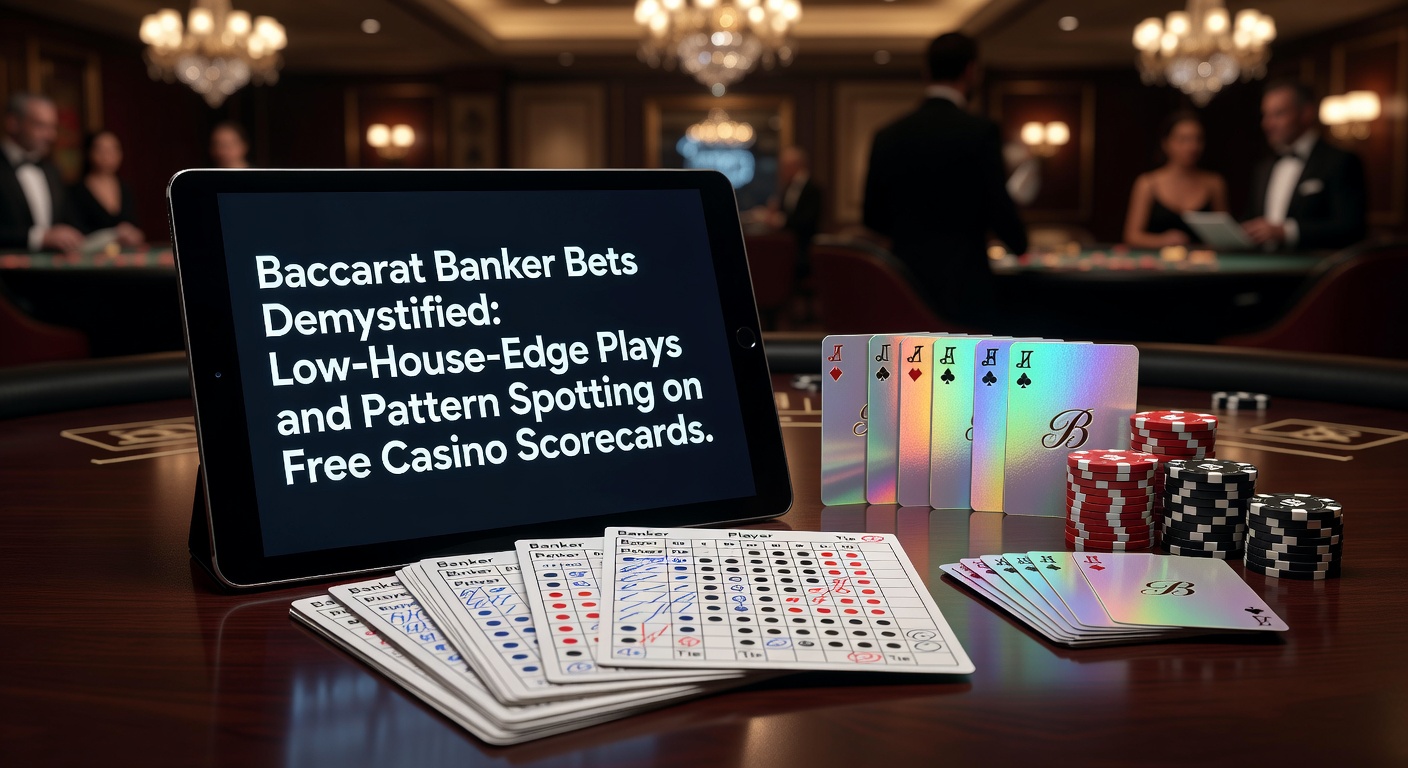
Baccarat draws players with its simple rules, where two hands—Player and Banker—compete, and the goal involves betting on which hand gets closest to nine or if they tie; casinos worldwide feature this game prominently, especially in high-stakes rooms across Macau and Las Vegas. Players wager before cards deal, with no further decisions needed, which keeps the pace brisk and appealing to both novices and veterans alike. Among the options, Banker bets emerge as the sharp choice because data from extensive simulations and casino records consistently show their edge over alternatives.
Turns out, the Banker hand wins slightly more often—about 50.68% of the time after accounting for ties—due to the way drawing rules favor it; Player hands win 49.32%, while ties occur around 9.5%, pushing many to overlook Banker despite the standard 5% commission. Observers note how free casino scorecards, those printed sheets at tables, capture every outcome in real time, allowing pattern spotting without any cost, and that's where players dive into rhythms that seem to emerge over dozens of shoes.
Breaking Down the House Edge on Banker Bets
House edge calculations reveal Banker bets at roughly 1.06%, a figure derived from millions of simulated hands by experts like those at the Wizard of Odds, compared to 1.24% for Player and a steep 14.36% on Tie; this low Banker edge stems from the third-card rules, where Banker acts last and adjusts optimally against Player's draw. Casinos apply the 5% vig only on Banker wins, yet even after that deduction, the math holds firm, making it the lowest-edge play in the game.
But here's the thing: some venues tweak commissions—say, 4% or even no-commission variants where pushes on Banker nine replace the vig—and those shifts alter edges slightly, with no-vig Banker pushing to 1.46% but still competitive; data from Nevada casino reports underscores how baccarat volumes surged in 2025, with Banker bets dominating over 55% of action in major Strip properties. Players who stick to Banker over long sessions find variance smooths out, although short-term swings remain inevitable since each hand stays independent.
What's interesting emerges when comparing rule sets: standard eight-deck shoes yield the 1.06% edge, but six-deck versions in certain European casinos nudge it lower to 1.01%, according to simulations run by gaming mathematicians; those details matter for anyone eyeing tables abroad.
Free Casino Scorecards: Tools for Tracking Outcomes
Casinos provide these scorecards gratis at every baccarat table—grids and charts where markers denote Player (blue circles), Banker (red), or Tie (green slashes)—and they've fueled pattern spotting since the game's spread from Europe to Asia decades ago. One common layout, the Big Road, plots wins in columns that snake rightward for streaks, dropping new columns on changes, while the Bead Plate records sequentially in six-row blocks for a grid-like history.
People often mark these furiously during play, hunting for trends like long Banker runs or choppy Player-Banker alternations, although statisticians emphasize randomness governs each shoe; still, scorecards span 60-80 hands per shoe, offering enough data for observers to note frequencies that align with probabilities—Banker streaks averaging 1.7 hands, Player slightly shorter. And in live dealer online versions, digital scorecards mirror these, accessible without printing.
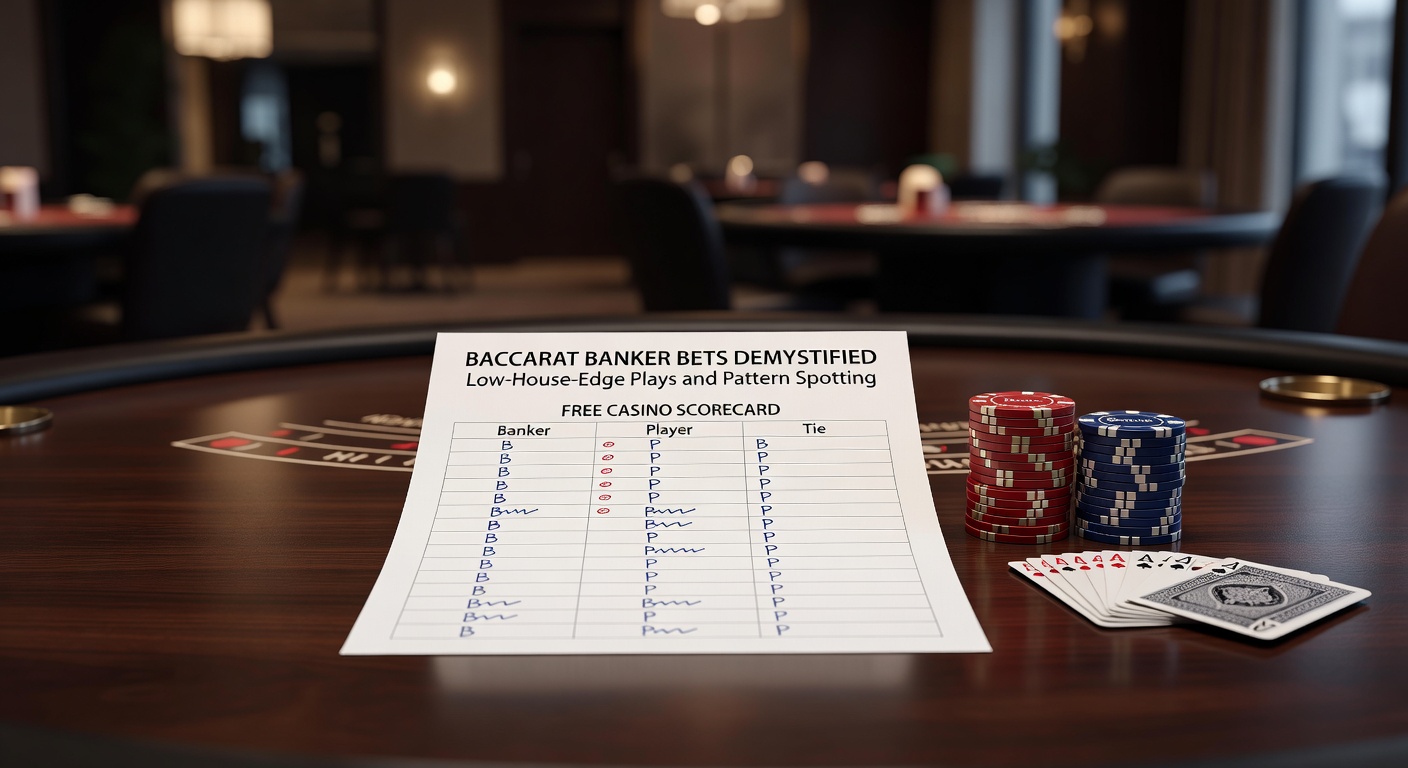
Now, derivative roads like Big Eye Boy or Small Road derive from Big Road shifts, using slashes or circles to signal even-odd column counts or row parities, which some players swear predict reversals; casinos tolerate this because it boosts engagement without altering odds, and figures from Nevada Gaming Control Board reports show baccarat table occupancy rising alongside scorecard use in 2025.
Pattern Spotting Strategies Tied to Low-Edge Plays
Experienced players scan scorecards for "dragon tails"—prolonged Banker streaks—or "ping-pong" chops between Player and Banker, then ride those apparent trends with Banker bets to leverage the inherent edge; one study from Australia's Australian Institute of Family Studies on gambling patterns noted baccarat enthusiasts relying on such visuals, though outcomes matched random expectations over thousands of shoes. Take a case where a Macau table showed 12 straight Bankers; markers followed faithfully, and bettors piled on, but the shoe reset neutrally afterward.
So, low-house-edge plays center on Banker persistence amid patterns—betting it exclusively drops effective edge to that 1.06%, while avoiding Tie traps high variance; side bets like Dragon Bonus carry edges over 2.6%, per payout analyses, pulling focus back to mains. Observers who've tracked live casino data find scorecards most useful mid-shoe, after 20 hands reveal deviations, although casinos reshuffle frequently to maintain integrity.
Yet patterns like the "follow the streak" or "bet against three in a row" persist in player lore, backed by anecdotal tallies on scorecards, even as probability models confirm no predictive power; that's where the rubber meets the road for disciplined play, sticking to Banker regardless of the board.
Variations and Modern Twists Influencing Banker Plays
Online platforms replicate physical scorecards with zoomable histories, and as crypto casinos expand—especially ahead of regulatory tweaks in regions like Ontario come April 2026—baccarat volumes climb with provably fair tech verifying shuffles; EZ Baccarat eliminates commissions via rule adjustments, keeping Banker edge near 1.02%, popular in U.S. tribal venues. Speed Baccarat variants halve deal times, intensifying scorecard scrutiny without changing math.
But here's where it gets interesting: hybrid live-online tables from Evolution Gaming beam real scorecards globally, letting remote players spot patterns in real time; data indicates these formats captured 30% more baccarat action in 2025, per industry trackers, with Banker bets still leading wagers. Mini-baccarat tables, ubiquitous on casino floors, mirror full rules but faster, amplifying scorecard reliance among casual crowds.
Researchers who've analyzed global play note how Asian markets dominate baccarat—over 80% of Macau revenue—and there, scorecard mastery ties directly to Banker volume, sustaining low-edge sustainability.
Conclusion
Banker bets anchor baccarat's appeal through their proven 1.06% house edge, fortified by free scorecards that chart patterns like streaks and chops across Big Road and beyond; players who decode these visuals find a structured way to engage, even as randomness rules each hand. Casinos continue providing these tools, from Vegas pits to digital streams, while edges hold steady amid variations and tech shifts. With baccarat's global footprint expanding into 2026, scorecard-driven Banker plays remain a cornerstone, backed by math and millions of recorded outcomes.