Blackjack Rule Variations Across Regions and Their Impact on Player Mobility
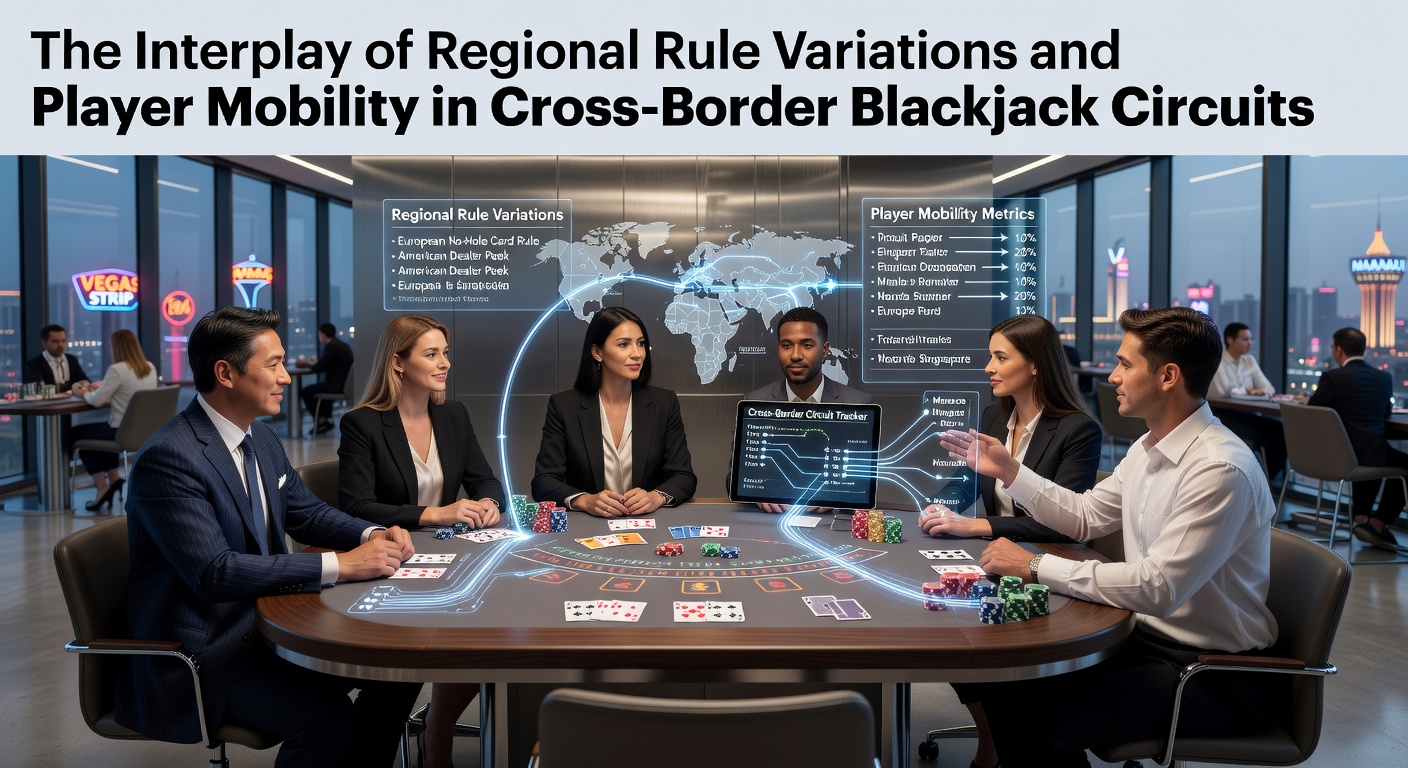
Regional differences in blackjack rules create distinct playing environments that influence how participants select destinations and plan their movements between gaming jurisdictions, and data from industry reports show these variations often center on payout structures, deck counts, and dealer actions on soft totals. Players frequently adjust travel patterns based on specific rule sets that alter the mathematical edge, such as whether doubling after splits is permitted or if surrender options exist at certain tables.
Core Rule Differences Across Major Jurisdictions
North American markets demonstrate notable contrasts in blackjack configurations, with some state-regulated venues in the United States maintaining single-deck games that pay 3:2 on natural blackjacks while neighboring areas shift toward multi-deck shoes and 6:5 payouts that increase the house advantage. European circuits, by comparison, often feature rules allowing dealers to stand on soft 17 combined with restrictions on early surrender, and these elements combine with local taxation frameworks that affect overall table economics. Research from the University of Nevada, Las Vegas indicates that such distinctions lead to measurable differences in expected value calculations across borders, prompting structured travel among dedicated participants who track regulatory updates through official gaming commission publications.
Asian gaming hubs present additional layers of variation, where certain jurisdictions permit side bets tied to specific card combinations or allow re-splitting of aces up to three times, and these options interact with minimum bet thresholds that differ from those found in Western markets. Cross-border movement accelerates when new rule adjustments appear, as seen in scheduled regulatory reviews set for May 2026 across several Southeast Asian licensing bodies that aim to standardize multi-deck procedures while preserving regional distinctions in insurance options.
Player Mobility Patterns and Circuit Formation
Travel networks form around favorable rule clusters, with participants moving between venues in the United States and Canada where certain provinces maintain continuous shuffle machines alongside traditional hand-dealt games that offer different penetration rates. These circuits expand when regulatory changes in one area create temporary advantages, and observers note increased border crossings during periods when multiple jurisdictions update their gaming statutes simultaneously. Data compiled by the Canadian Gaming Association reveals that rule transparency in public filings correlates with higher volumes of documented player travel between provinces and adjacent American states.

European circuits operate under Schengen Area mobility provisions that simplify movement between countries maintaining distinct blackjack frameworks, such as those distinguishing between French and American rule variants on splitting and doubling. Participants often sequence visits to align with seasonal regulatory calendars, and industry analyses show that venues advertising specific rule combinations experience predictable spikes in table occupancy tied to these travel windows. The interplay becomes evident when one jurisdiction introduces a player-friendly adjustment, such as expanded late surrender, while adjacent areas retain stricter parameters, thereby redistributing activity along established routes.
Regulatory Updates and Their Effects on Travel Dynamics
Policy shifts announced in advance create anticipation within player networks, and the period leading into May 2026 features several pending reviews in North American and European markets that could alter deck minimums or payout ratios at licensed facilities. These upcoming changes prompt advance planning among those who monitor government gaming reports and adjust itineraries accordingly, since even minor modifications to insurance procedures or resplit limits can shift overall return percentages. External factors like currency fluctuations and transportation costs further interact with these rule-based incentives, producing layered decision frameworks that extend beyond simple house edge comparisons.
Industry organizations such as the American Gaming Association track how these elements influence venue selection, and their reports document that players maintain detailed records of rule sets across multiple countries to optimize session planning. Cross-border circuits therefore evolve as living systems where information exchange about regulatory environments drives repeated movements between specific clusters of gaming locations.
Conclusion
The relationship between regional blackjack rule sets and participant mobility continues to shape international gaming patterns through documented differences in payouts, deck management, and procedural allowances. Official sources from varied regulatory bodies provide the factual basis for these movements, while upcoming adjustments scheduled around May 2026 add new variables to established circuits. Observers continue to monitor how these factors interact across jurisdictions without centralized coordination, resulting in dynamic travel flows that reflect the specific configurations available at each destination.