Casino Loyalty Programs Demystified: Practical Approaches to Extracting Maximum Benefit Responsibly

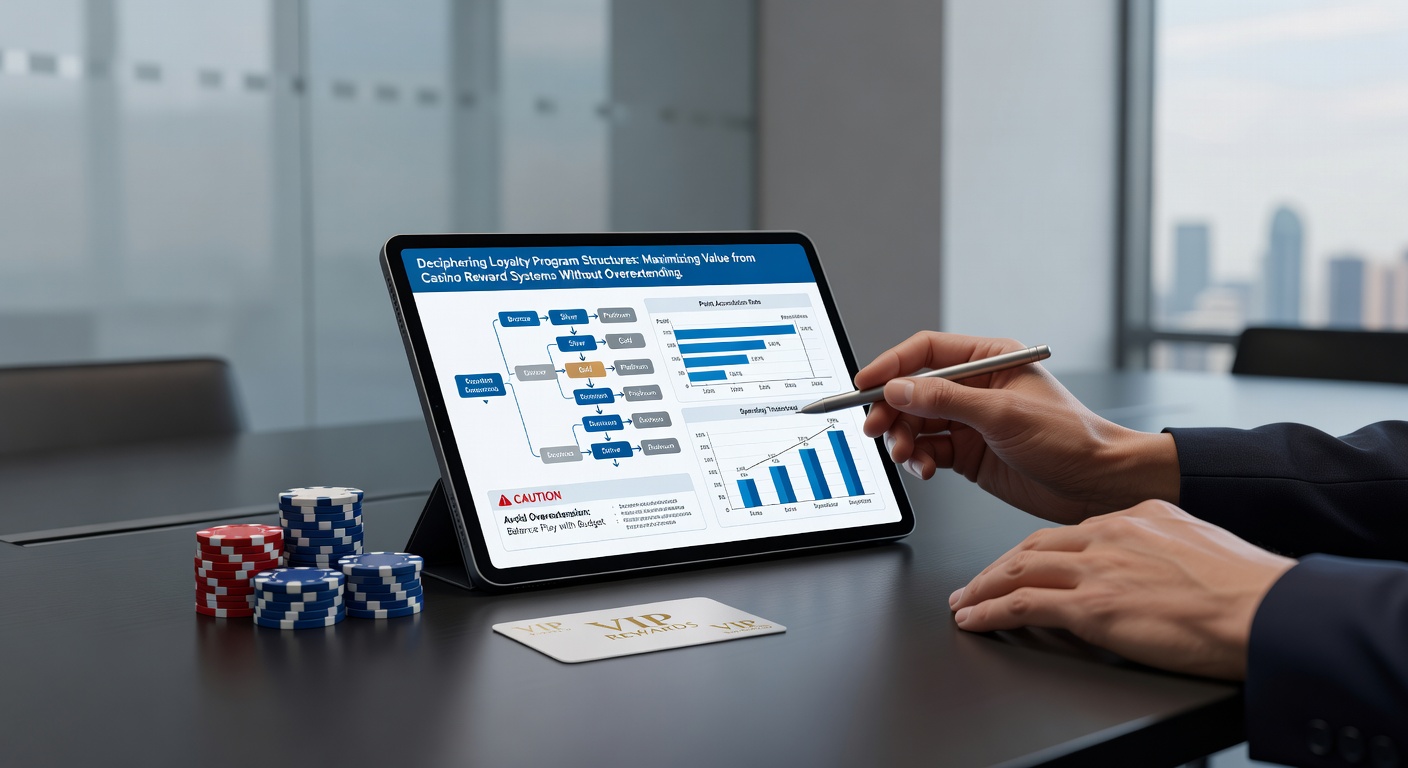
Observers note that casino loyalty programs operate through layered structures where players accumulate points based on wagering volume across slots, table games, and other offerings, and these points convert into comps such as free play, hotel stays, or dining credits according to preset redemption charts. Data from industry analyses reveal that most programs divide participants into tiers like bronze, silver, gold, and platinum, each with escalating benefits tied to annual play levels, and the thresholds often reset at the start of each calendar year. Researchers have documented that point earning rates vary by game type, with slot play typically generating one point per dollar wagered while table games might require higher volumes for equivalent credits because of different house edge calculations.
Core Mechanics Behind Point Accumulation and Tier Progression
Those who've examined loyalty frameworks explain that casinos track activity through player cards inserted into machines or presented at tables, and the resulting data feeds algorithms that calculate both points and theoretical loss, which in turn determines comp offers sent via mail or app notifications. Figures from gaming association reports indicate average earning rates hover around 0.1 to 0.3 percent of theoretical loss returned as free play across major operators, yet actual value depends on the player's skill in selecting games with favorable rules and managing session lengths. In May 2026 several regional operators introduced mobile integration upgrades that allow real-time point balance checks and tier progress trackers, streamlining how participants monitor their status without additional visits to the rewards desk.
What's interesting is the way multipliers function during promotional periods, where certain games or time slots award double or triple points, and players who align their visits with these windows can accelerate tier climbs without increasing overall spend. Experts have observed that successful participants often combine these multipliers with games offering higher point rates per dollar, such as video poker variants with favorable pay tables, rather than spreading activity evenly across all offerings.
Redemption Strategies That Align with Actual Spending Patterns
Studies conducted by academic institutions focused on consumer behavior in gaming environments show that the highest returns come from prioritizing redemptions that offset fixed costs like hotel rooms or show tickets over low-value free play credits that carry expiration dates. Data indicates that players who wait until they reach higher tiers before cashing in points frequently secure better per-point values, since gold and platinum levels unlock discounts of 20 to 50 percent on room rates and dining that bronze members cannot access. One case highlighted in trade publications involved a frequent visitor who consolidated points across three properties under the same corporate umbrella to unlock a suite upgrade valued at several hundred dollars more than separate redemptions would have yielded.
But here's the thing: redemption windows and blackout dates vary widely, so participants benefit from reviewing each program's calendar well in advance, particularly around holiday periods when availability tightens. Reports from regulatory bodies in multiple jurisdictions emphasize the importance of understanding that unused points often expire after 12 to 18 months of inactivity, creating a natural incentive to schedule redemptions within active cycles rather than letting balances accumulate indefinitely.
Resource Management Techniques to Prevent Overcommitment
Analyses from research papers published by university gaming studies departments demonstrate that setting strict session budgets before entering the casino helps maintain control, because loyalty points accrue regardless of win or loss outcomes and therefore do not offset the underlying house edge. Participants who divide their monthly entertainment allocation into separate categories for play, travel, and redemptions report fewer instances of unplanned spending, according to surveys conducted by industry watch groups. The reality is that some programs now include loss-limit tools within their apps, allowing users to cap daily or weekly wagers while still earning tier credits up to the chosen threshold.
Observers note that comparing programs across competing casinos reveals meaningful differences in point-to-comp ratios, and those who maintain activity logs can identify which venues deliver superior value for their preferred game mix. Data shows that table game players sometimes achieve faster tier progress at properties that award points based on time spent rather than strict dollar volume, shifting the effective cost per point downward when sessions run longer at lower average bets.
Case Examples of Balanced Participation
There's this case where a mid-tier player tracked three months of activity across two regional casinos and discovered that concentrating play during double-point promotions at one property generated enough credits for a complimentary weekend package, whereas splitting time evenly produced only scattered free-play offers with lower net value. Industry reports further illustrate that players who combine loyalty redemptions with off-peak travel dates often stretch their benefits further, since room comps become more readily available and the overall trip cost decreases without requiring additional wagering volume.
Conclusion
Evidence from multiple sources confirms that structured approaches to casino loyalty programs center on understanding tier requirements, timing redemptions for maximum per-point value, and maintaining predefined spending boundaries that keep participation sustainable. Reports released around May 2026 highlighted ongoing refinements in digital tracking tools that give participants clearer visibility into progress and options, supporting more deliberate use of available rewards. Those who review program rules periodically and align activity with published promotions continue to realize measurable returns while keeping total resource commitment within planned limits.