Digital Currencies Reshaping Player Transactions Across Gaming Platforms
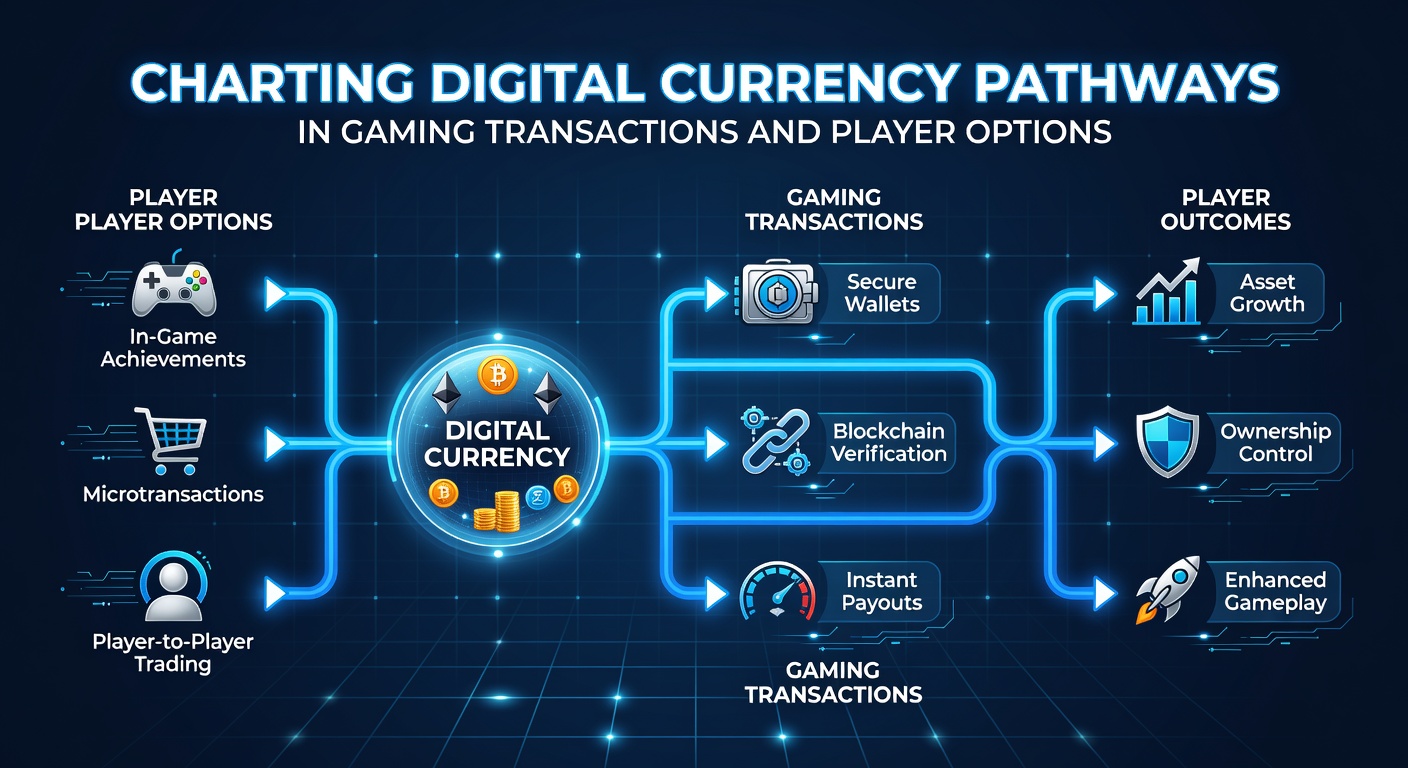
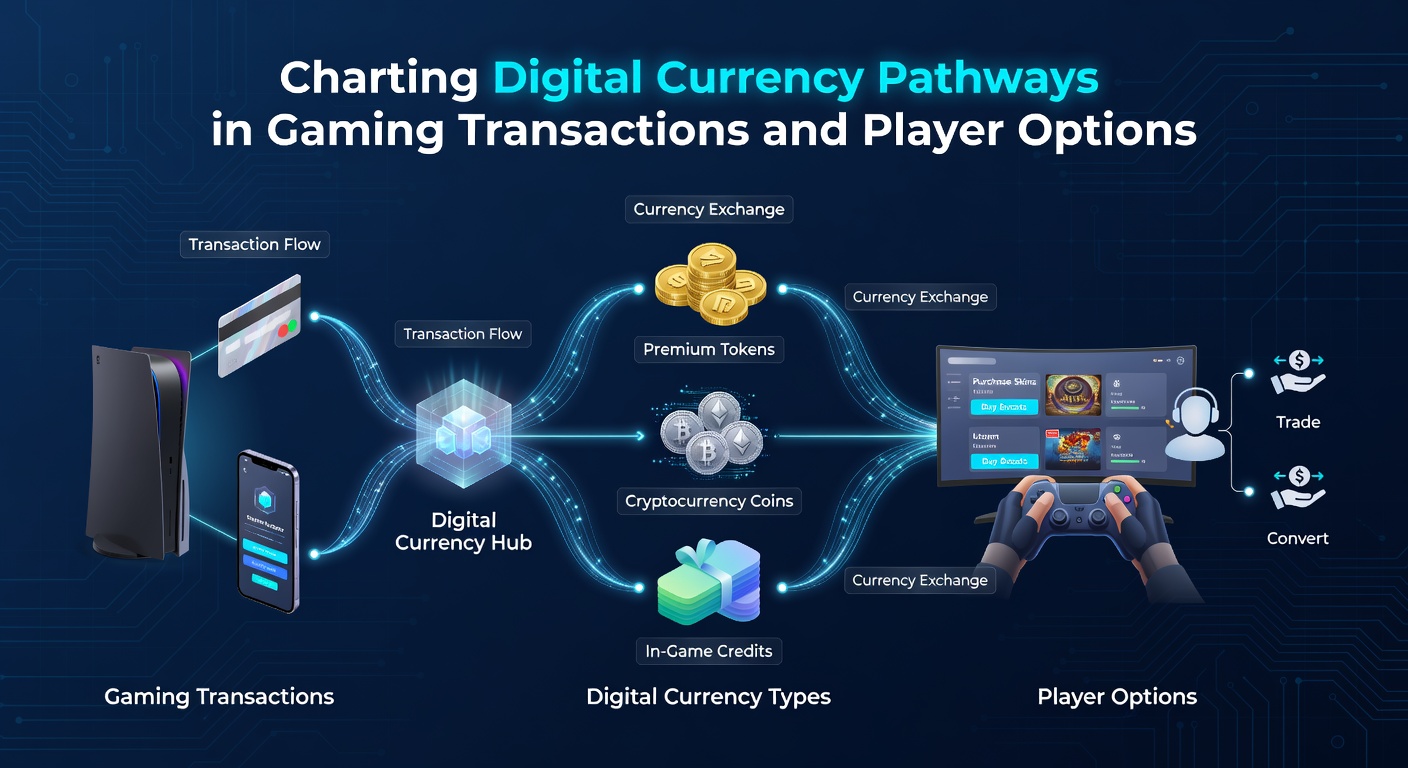
Digital currencies have carved distinct routes into gaming ecosystems where players exchange value for virtual goods, access, and competitive edges. Blockchain networks support these pathways by recording ownership transfers without traditional banking intermediaries, and developers integrate wallet connections directly into game clients for seamless deposits and withdrawals. Studies from academic institutions track how these systems handle millions of microtransactions daily across mobile, console, and PC titles.
Core Mechanics of Crypto Integration in Game Economies
Players link non-custodial wallets to game accounts, then convert fiat balances into tokens that power in-app purchases or staking mechanics. Smart contracts execute item trades automatically once conditions such as rarity thresholds or event completions are met, which reduces disputes and speeds settlement times compared with legacy payment processors. Research from the Massachusetts Institute of Technology indicates that transaction confirmation speeds on layer-two networks now average under five seconds for most gaming applications, allowing real-time upgrades during live matches.
Token standards like ERC-1155 enable batch transfers of multiple assets in single operations, which cuts gas costs for players managing large inventories of skins, cards, or resources. Gaming studios publish open APIs that let third-party marketplaces list these assets, creating secondary economies where supply and demand set prices independently of developer pricing tiers.
Regional Adoption Patterns and Regulatory Frameworks
European Union directives on markets in crypto-assets require gaming platforms operating within member states to implement know-your-customer checks for transactions above defined thresholds, yet several platforms have adapted by embedding compliance modules that verify user identity before token swaps occur. Data compiled by the European Gaming and Betting Association shows steady growth in crypto-enabled titles launched between 2023 and 2025, with average daily active users rising across genres that incorporate play-to-earn loops.
In North America, state-level gaming commissions in Nevada and New Jersey have issued guidance allowing licensed operators to accept certain stablecoins for deposit and withdrawal, provided reserves remain fully backed and audited quarterly. Canadian provincial regulators have followed similar routes by permitting pilot programs that test stablecoin payouts for esports tournament prizes, with settlement reports published through provincial lottery corporations.
Asia-Pacific markets demonstrate varied trajectories. Singapore's Monetary Authority has outlined sandbox frameworks that let developers test tokenized reward systems while maintaining capital requirements, whereas Australian competition authorities monitor how these systems affect player spending patterns in free-to-play titles. Reports from the Asian Development Bank highlight infrastructure improvements in several Southeast Asian countries that now support faster cross-border token movements, enabling regional players to participate in global item auctions without prohibitive fees.
Player Options and Emerging Transaction Models
Gamers choose between custodial exchanges that handle conversion inside the platform and self-custody solutions that keep private keys with the individual until withdrawal. Subscription models have appeared where monthly fees convert automatically into governance tokens that grant voting rights over future game updates or cosmetic additions. Tournaments increasingly offer prize pools denominated in stablecoins, which shields winners from short-term volatility while maintaining liquidity for immediate reinvestment into other titles.
Cross-game asset portability remains limited yet expanding through shared blockchain standards, allowing select items to transfer between partnered universes. Observers note that interoperability protocols developed by consortia of studios have enabled limited transfers of cosmetic items, with usage statistics tracked through public ledgers that anyone can audit.
Developments Projected Through Mid-2026
Industry roadmaps published in early 2025 point toward broader deployment of account abstraction features that let players interact with blockchain elements without managing seed phrases, lowering entry barriers for mainstream audiences. By June 2026 several major engines plan to release native modules that embed token swaps directly into in-game menus, removing the need for external browser redirects during purchases. These updates coincide with hardware wallet manufacturers releasing gaming-specific devices that support one-click signing for common actions such as item upgrades or battle-pass unlocks.
Conclusion
Digital currency pathways continue to evolve through technical refinements, regulatory adjustments, and shifting player preferences across multiple continents. Transaction data from public ledgers and compliance filings provide measurable indicators of adoption rates, while platform operators refine interfaces to balance accessibility with security requirements. The landscape features ongoing experimentation with token mechanics, interoperability standards, and payout options that respond to both technological capabilities and oversight frameworks established in different jurisdictions.