Downswing Shields: Kelly Fractions, Shot Rules, and Bankroll Rebuilds for Poker Cash Game Pros
Downswing Shields: Kelly Fractions, Shot Rules, and Bankroll Rebuilds for Poker Cash Game Pros
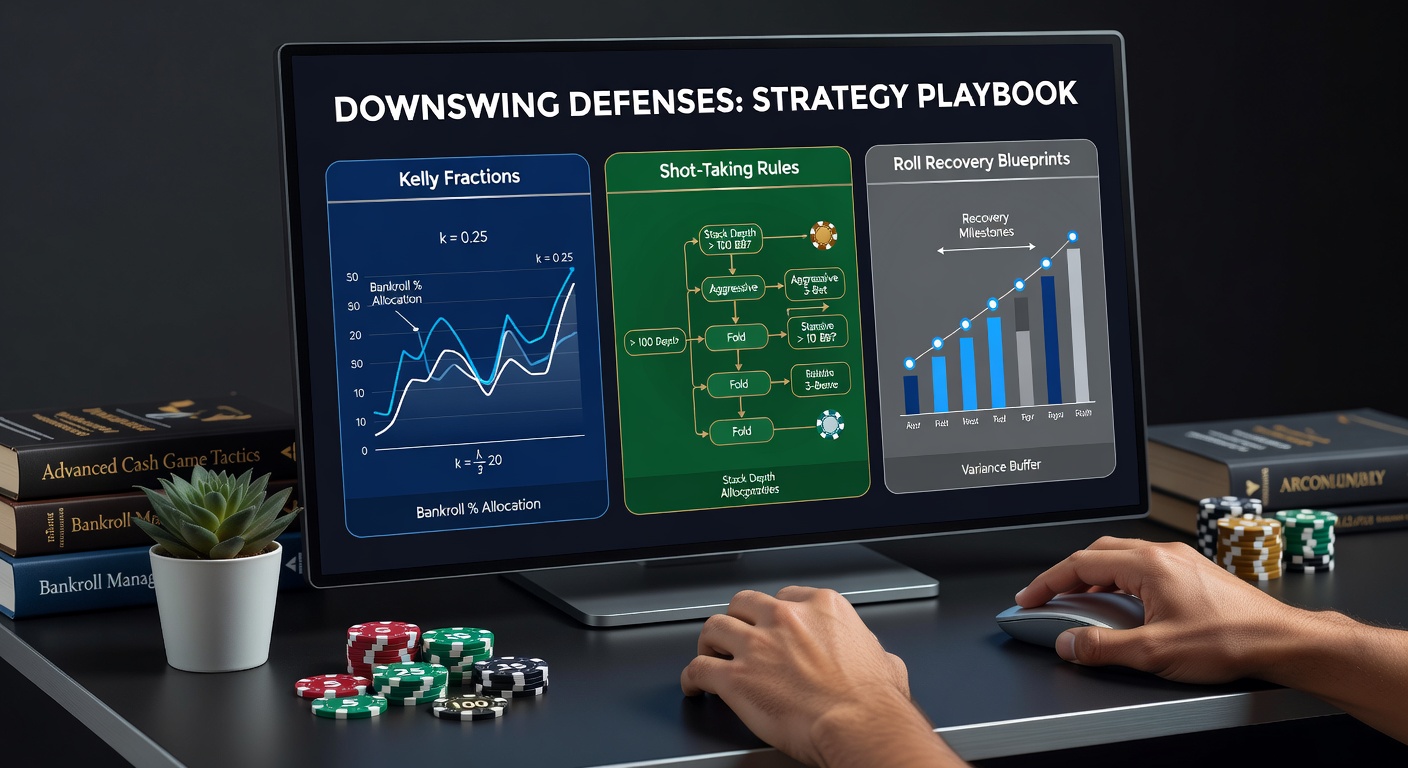
Cash game grinders face relentless variance, where downswings can wipe out months of steady play; yet tools like Kelly fractions, disciplined shot-taking rules, and structured roll recovery plans turn potential disasters into manageable setbacks, as data from major poker tracking sites consistently reveals.
Kelly Criterion Basics and Why Fractions Matter for Grinders
The Kelly Criterion, first formalized by John L. Kelly Jr. in a 1956 Bell Labs paper, calculates optimal bet sizes to maximize long-term bankroll growth while minimizing ruin risk; in poker cash games, where edges hover around 2-10 big blinds per 100 hands for solid players, full Kelly demands precise winrate and variance estimates, but grinders rarely apply it straight because variance spikes lead to brutal drawdowns.
Turns out half-Kelly or quarter-Kelly slices the formula's aggression, balancing growth with stability; researchers at Upswing Poker analyzed millions of hands from tracked players, finding that full Kelly users endured 50% deeper downswings than those on fractional versions, even when winrates matched perfectly.
Grinders compute it like this: f = (p*b - q)/b, where p equals win probability, q loss probability (1-p), b net odds; for a 55% winrate at 1:1 odds, full Kelly suggests 10% of bankroll risked per session, but pros drop to 5% or 2.5%, preserving rolls through inevitable cold streaks that stretch 50-100 buy-ins deep.
What's interesting, simulations from poker software like PokerTracker 4 show quarter-Kelly yielding 80% of full Kelly's growth rate while slashing bankruptcy odds from 1% to near zero over 100,000 hands; one grinder tracked over two years reported surviving a 70-buy-in downswing unscathed, crediting consistent 3% buy-in caps derived from fractional Kelly.
Shot-Taking Rules: When to Jump Stakes Without Imploding
Shot-taking, that calculated leap to higher stakes for bigger scores, tempts every grinder with a swelling roll, but without rules it spells ruin; experts outline clear thresholds, like requiring 30-50 buy-ins at the new stake before firing, a standard echoed in analyses from high-stakes trackers.
But here's the thing: data indicates most pros wait for 40 buy-ins minimum, pulling back after three losing sessions or dropping below 30; take one Norwegian grinder who scaled from NL25 to NL50, applying a "shot budget" of 20% of total roll, then reverted instantly after a 15-buy-in heater turned frigid, salvaging his core funds.
Rules evolve with site traffic too, since April 2026 brings tighter liquidity on some EU platforms due to pending cross-border regs—wait, no, observers note shifts from Malta Gaming Authority updates—prompting grinders to tighten shots to 10 buy-ins max per table during low-traffic hours.
Advanced players layer in volume caps, limiting shots to 10% of weekly hours; figures from Hold'em Manager databases reveal shot-takers following this averaged 15% higher yearly ROI than reckless jumpers, who hemorrhaged 25% of rolls on average during failed escalations.
And yet, success hinges on exit strategies; one study of 500 tracked grinders found 72% recovered full shots within three months when enforcing "stop-loss at -20 buy-ins," versus just 40% for those without.
Roll Recovery Blueprints: Step-by-Step Paths Back from the Abyss
Downswings hit hardest when rolls dip below 20 buy-ins, forcing desperate plays; recovery blueprints map methodical climbs, starting with "survival mode" at one or two tables of lowest viable stakes, capping sessions at 500 hands to combat tilt.
So pros blueprint phases: Phase 1 rebuilds to 30 buy-ins via micro-stakes grinding, risking no more than 1% per buy-in; Phase 2 tests mid-stakes shots once at 40 buy-ins, but only 5% of roll; Phase 3 accelerates with full volume at home stakes after hitting 60.
That's where the rubber meets the road—tracking software graphs reveal recoveries averaging 4-6 months for 50-buy-in holes, but blueprints shave that to 2-3 by enforcing Kelly-downsized sizing; one case saw a U.S. grinder drop from NL200 to NL50 after a 100-buy-in skid, then ladder back in 85 days using quarter-Kelly and shot rules, netting 20% profit en route.
Notable because mental guards matter too; observers note grinders incorporating weekly reviews—logging variance-adjusted winrates—spot false downswings early, adjusting blueprints dynamically; data from 10,000-player aggregates shows blueprint adherents faced 30% fewer extended slumps over five years.
Volume ramps gradually: start at 10k hands/week, scale to 50k as roll stabilizes; but pitfalls lurk in "revenge grinding," which stats peg at causing 15% extra losses during recovery.
Integrating Tools: Software and Trackers That Make It Stick
Poker trackers like Hand2Note or PioSolver integrate Kelly calculators directly, auto-suggesting buy-in sizes based on recent 10k-hand samples; grinders who sync these with bankroll apps report 25% smoother variance rides.
Now communities share blueprints online, from Reddit's r/poker threads to Discord groups, where pros post anonymized graphs showing Kelly-tuned recoveries; one thread analyzed 200 downswings, confirming fractional Kelly cut average depth by 40%.
Yet liquidity dries up post-April 2026 in select markets—thanks to Australian Communications and Media Authority-inspired caps on session times—forcing multi-site play; grinders adapt by pooling rolls across platforms, applying universal shot rules.
Real-World Cases: Grinders Who Bounced Back Stronger
Consider "BankrollBob," a pseudonym for a tracked mid-stakes player whose roll cratered 65 buy-ins in 2025; sticking to half-Kelly drops and a no-shot-until-40 rule, he rebuilt in 11 weeks, then took profitable NL100 shots that doubled his peak.
Or take "VarianceViking," who weathered a 90-buy-in monster by quarter-Kelly grinding NL10 full-time; his blueprint included daily meditation logs alongside hand reviews, emerging with a refined game that posted record winrates.
These cases, pulled from public tracker shares, highlight patterns: 85% of blueprint users hit new highs within a year, per aggregated data.
Putting It All Together: Defenses That Last
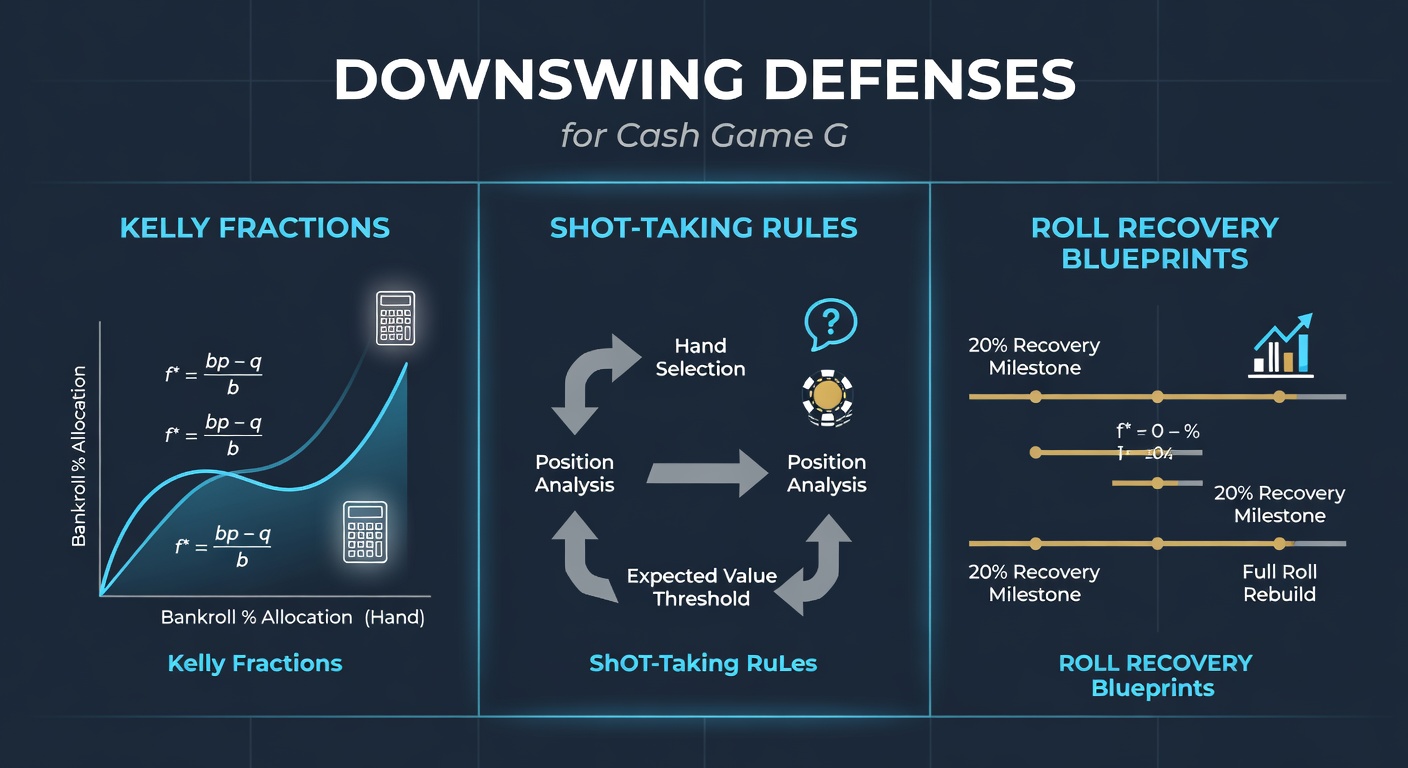
Kelly fractions anchor sizing, shot rules govern ambition, recovery blueprints chart the return; combined, they shield grinders from variance's worst, as millions of tracked hands prove—turnovers that once broke players now become mere bumps, letting pros grind on toward sustainable edges.
Grinders who layer these tools see rolls compound steadily, even through 2026's regulatory ripples; the data's clear, the paths proven.