Global Mandates Converge on Fair Algorithms in Digital Wagering Systems

Regulatory bodies across multiple jurisdictions now enforce overlapping requirements that directly influence how algorithms determine equity in digital wagering platforms, and these intersections create layered compliance obligations for operators who manage odds, user segmentation, and risk assessment tools.
Cross-Border Data Rules Meet Equity Standards
Data protection statutes in the European Union intersect with emerging artificial intelligence guidelines to shape the way platforms process betting histories and demographic signals, while similar frameworks in Canada and Australia impose parallel constraints on algorithmic decision-making. Operators must therefore align their models with both privacy mandates and fairness audits, and this dual pressure affects how systems calculate personalized promotions or flag potential problem gambling patterns. Studies from research institutions show that platforms operating across these regions adjust their core algorithms at least twice annually to satisfy updated reporting thresholds.
One notable development involves the EU Artificial Intelligence Act, which classifies certain wagering risk-scoring systems as high-risk applications, and this classification triggers mandatory bias testing that overlaps with existing data minimization rules under the General Data Protection Regulation. Platforms respond by redesigning feature selection processes so that protected attributes remain excluded from training datasets, yet the same models must still deliver accurate fraud detection outcomes demanded by financial regulators in other territories.
Anti-Discrimination Laws and Betting Algorithms
Anti-discrimination statutes in the United States and various state-level gaming commissions now examine whether algorithmic outputs produce disparate impacts on protected groups, and these examinations intersect with consumer protection directives issued by authorities in Asia-Pacific markets. When an algorithm adjusts maximum stake limits based on historical loss ratios, regulators in multiple jurisdictions require documentation proving that the adjustment does not correlate with race, age, or geographic location proxies. Reports from academic centers indicate that several major operators introduced third-party auditing protocols in late 2025 to address these overlapping demands before the next compliance cycle begins.
What's interesting is how these requirements force technical teams to maintain separate model versions for different regulatory zones, even though the underlying platform operates on a unified codebase. A single change in feature weighting can trigger review processes in three or more countries simultaneously, and the resulting coordination overhead has prompted industry associations to publish standardized documentation templates that satisfy multiple authorities at once.
Technical Adjustments Driven by Overlapping Oversight
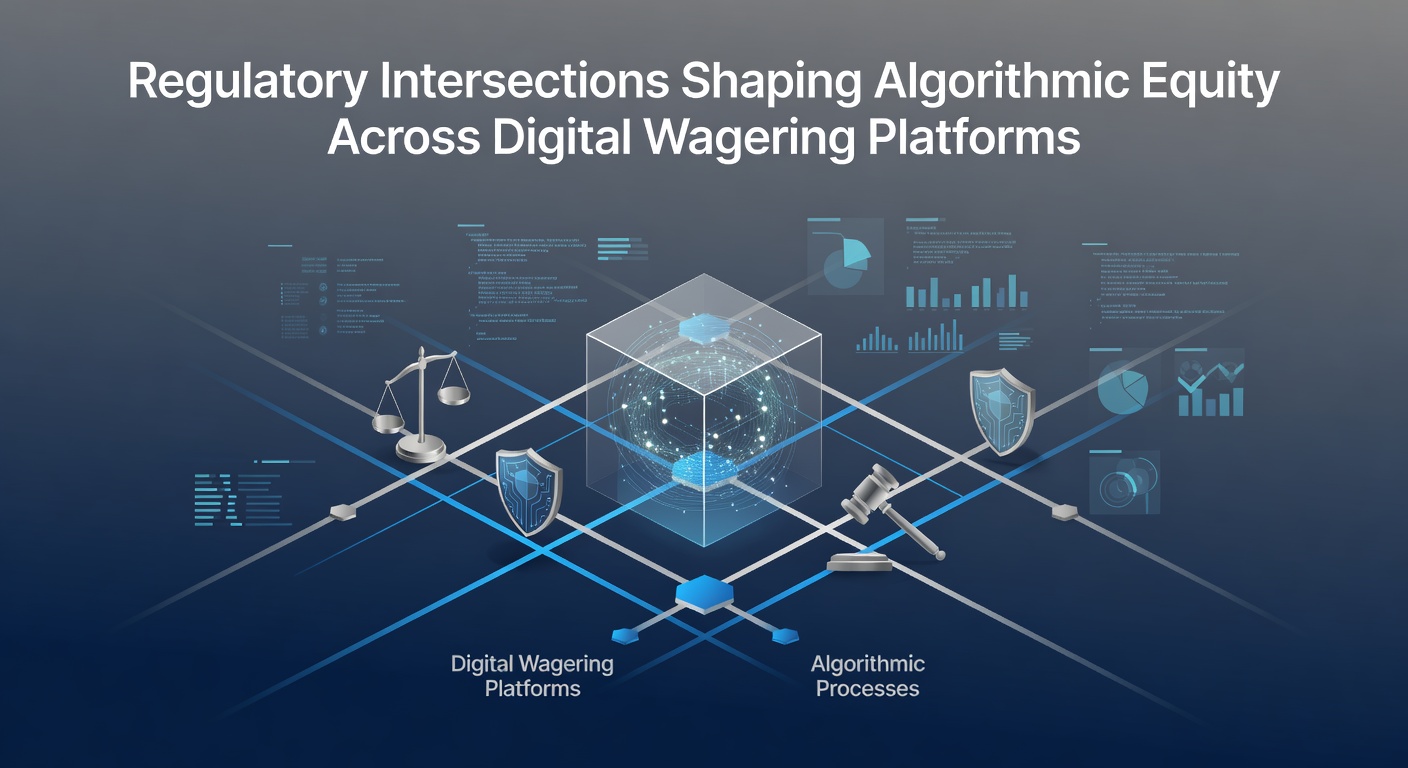
Engineers working on real-time odds engines now incorporate fairness constraints during the model training phase rather than applying them as post-hoc filters, and this shift stems from simultaneous guidance issued by gaming regulators in North America alongside data ethics frameworks used in the European Union. The approach reduces the risk of retroactive penalties when one jurisdiction updates its audit criteria while another maintains stricter documentation standards. Data from industry reports reveal that platforms adopting this integrated method report fewer model retraining cycles per quarter compared with those that handle each regulatory request sequentially.
Take the case of dynamic bonus allocation systems, which must now exclude certain behavioral signals that previously improved conversion rates but raised equity concerns under multiple legal regimes. Operators who once relied on location-based targeting have shifted toward purely transactional variables, and this change aligns with guidance from both consumer protection agencies and financial conduct authorities operating in separate continents.
Future Deadlines and Compliance Timelines
Regulatory calendars show several convergence points scheduled for May 2026, including updated reporting templates that combine algorithmic impact assessments with existing responsible gambling metrics, and operators are preparing unified data pipelines to meet these simultaneous deadlines. Research organizations tracking these developments note that companies with international footprints have formed internal working groups specifically tasked with mapping overlaps between fairness audits and data localization rules well in advance of the May 2026 milestones.
These preparations also extend to third-party vendors who supply machine learning components for wagering platforms, because liability for biased outputs can attach to both the operator and the technology supplier under certain overlapping statutes. Contracts in this space increasingly include clauses requiring vendors to maintain audit-ready logs that satisfy multiple regulatory formats without additional customization.
Conclusion
The intersection of data protection, anti-discrimination, and gaming-specific rules continues to reshape how algorithmic equity is implemented across digital wagering platforms, and operators who maintain flexible compliance architectures appear better positioned to absorb future regulatory updates. Evidence from multiple jurisdictions indicates that integrated testing protocols and standardized documentation reduce friction when new requirements emerge, while platforms that treat each mandate in isolation face repeated model revisions. As additional regions introduce their own frameworks, the pattern of overlapping obligations is expected to persist through 2026 and beyond.