Verifying Randomness: Certification Protocols for Electronic Gaming Devices in Worldwide Laboratories
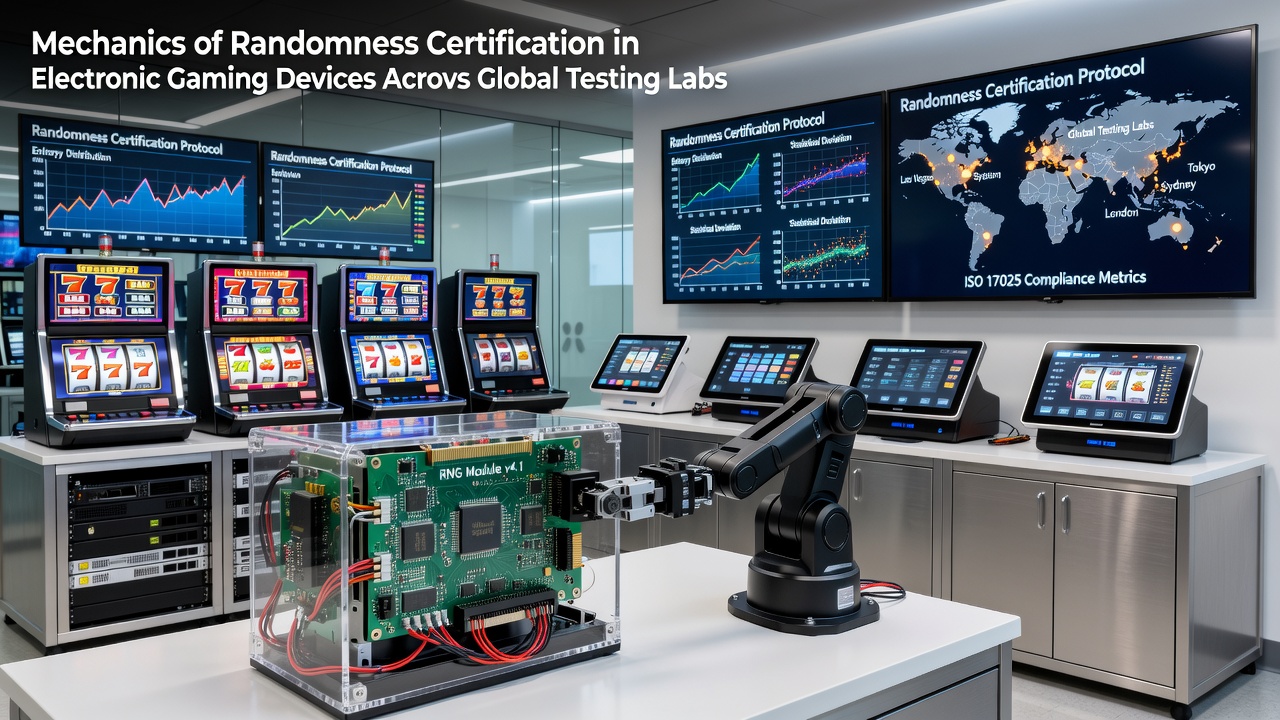
Electronic gaming devices rely on random number generators to produce unpredictable outcomes, and certification ensures those generators meet strict statistical standards across multiple jurisdictions. Laboratories examine algorithms for true randomness, proper seeding mechanisms, and resistance to prediction or manipulation before any machine reaches a casino floor.
Core Components of RNG Systems in Gaming Hardware
Modern electronic gaming machines use pseudorandom number generators based on cryptographic algorithms such as AES or SHA, combined with hardware entropy sources that collect noise from physical processes like thermal fluctuations or clock jitter. These systems generate sequences at speeds exceeding thousands of numbers per second, and each outcome must remain independent of previous results. Certification bodies require documentation showing that the RNG passes a battery of tests including chi-square analysis, runs tests, and serial correlation checks that detect any hidden patterns.
Seeding plays a critical role because an RNG initialized with predictable values can compromise fairness. Laboratories verify that seeds derive from multiple independent entropy sources and that reseeding occurs frequently enough to prevent state reconstruction. In practice, this means examining source code line by line and confirming that no external input can influence the sequence after initialization.
Testing Methodologies Employed by Accredited Laboratories
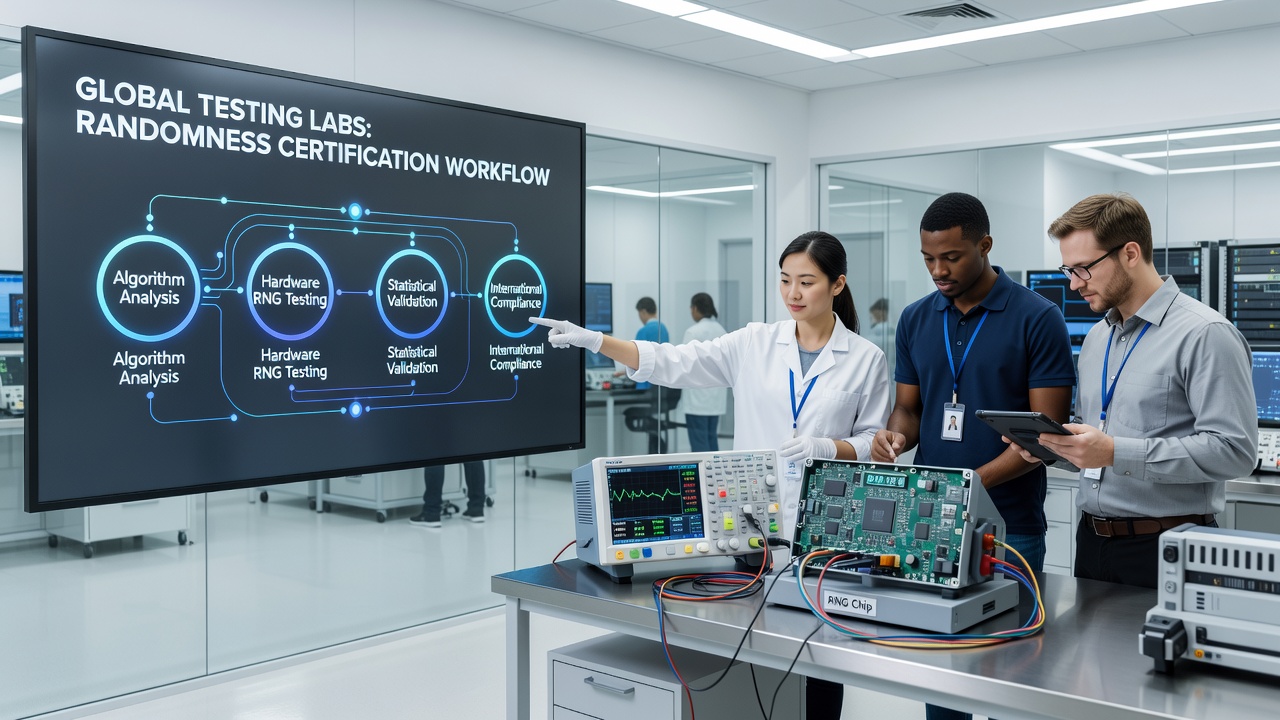
Global labs apply a standardized suite of statistical evaluations developed by organizations including NIST, which maintains the SP 800-22 test suite used worldwide for randomness assessment. Technicians run millions of simulated game cycles, then analyze output distributions against expected probabilities for every possible symbol combination. Any deviation beyond predefined tolerance thresholds triggers further investigation and potential rejection of the submission.
Additional layers include dieharder and TestU01 suites that probe for subtle correlations across long sequences. Labs also perform source code reviews to confirm that the implemented algorithm matches the submitted specification, while hardware evaluations check physical security features that protect against tampering. These combined procedures typically span several weeks and generate extensive documentation that regulators later review during licensing decisions.
Regional Variations in Certification Requirements
Jurisdictions maintain distinct frameworks that reflect local priorities and technological capabilities. Australian laboratories accredited under the National Standard for Gaming Machines require extensive live play testing alongside statistical analysis, whereas certain North American regulators emphasize hardware isolation and continuous monitoring after deployment. European bodies often incorporate ISO/IEC 17025 accreditation for the labs themselves, ensuring consistent quality across testing facilities in different countries.
Asian markets including Singapore and Macau apply additional scrutiny to network-connected devices, requiring proof that remote RNG servers cannot be accessed or altered without detection. These differences mean manufacturers must prepare multiple certification packages when launching the same game title across borders, each tailored to the specific statistical thresholds and documentation formats demanded by each authority.
Role of Independent Testing Organizations
Companies such as Gaming Laboratories International and BMM Testlabs operate facilities in multiple continents and maintain mutual recognition agreements that streamline cross-border approvals. These organizations conduct both initial certification and ongoing compliance audits that verify RNG behavior remains consistent after software updates or hardware changes. Their reports carry significant weight with regulators because the labs maintain ISO accreditation and participate in round-robin testing programs that compare results across different facilities.
Data collected during 2025 and into June 2026 shows an increase in submissions involving server-based gaming systems, prompting labs to develop new protocols for distributed RNG architectures. These systems generate numbers on centralized servers that multiple terminals access simultaneously, requiring additional safeguards to prevent synchronization attacks or latency-based prediction.
Emerging Standards and Technological Developments
Quantum random number generators are beginning to appear in high-stakes applications, and laboratories have started validating their output using specialized entropy measurement tools. At the same time, regulators are examining how machine learning techniques might detect anomalies that traditional statistical tests miss. Research institutions have published papers exploring these hybrid approaches, and several labs now include basic adversarial testing as part of their standard evaluation process.
Updates to NIST guidelines scheduled for release around mid-2026 are expected to incorporate new recommendations for post-processing techniques that enhance entropy extraction from hardware sources. Manufacturers and labs are already reviewing draft documents to prepare for the transition, which will affect how future devices document their randomness properties during certification.
Conclusion
Randomness certification remains a foundational element of regulated gaming worldwide because it provides measurable assurance that electronic devices operate without bias or predictability. The combination of statistical testing, code review, and hardware validation creates multiple layers of protection that adapt as technology evolves. Laboratories continue to refine their methods in response to new device architectures and regulatory expectations, maintaining consistent standards across diverse international markets.