Virtual Arena Dynamics: Integrating Mechanics and Oversight for Sustained Player Engagement
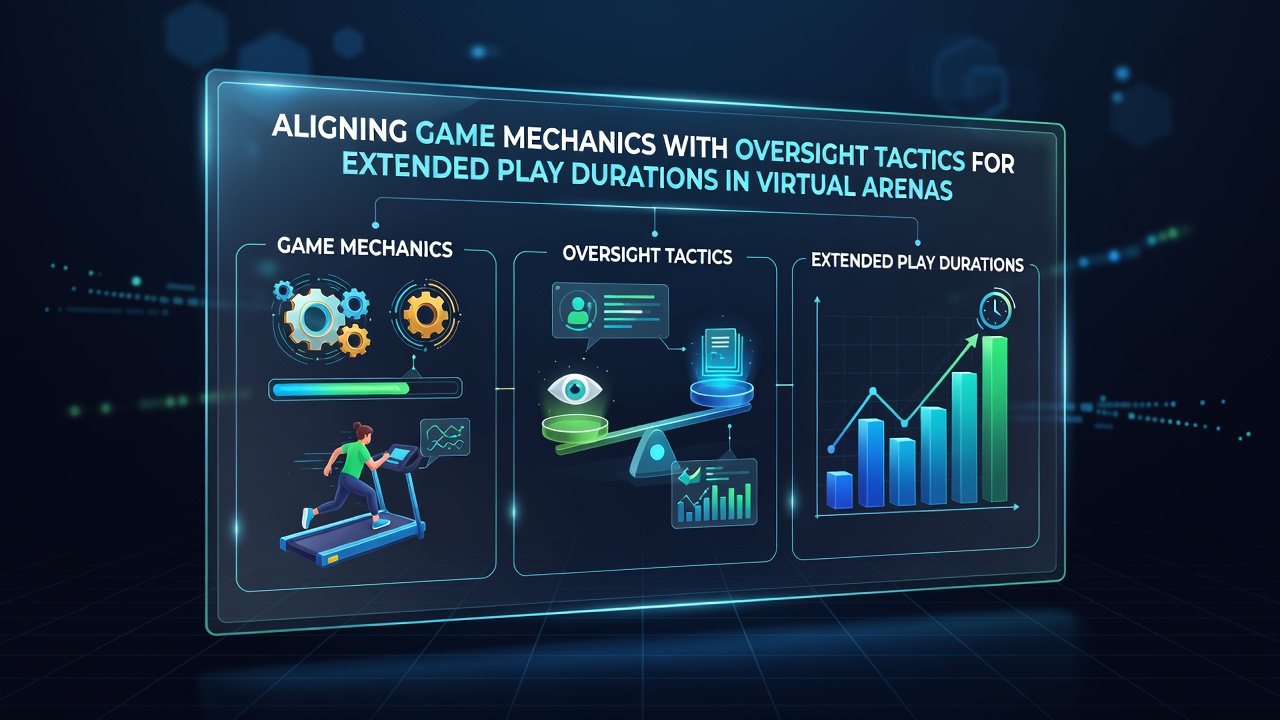
Virtual arenas have expanded rapidly since the mid-2010s, with player bases in titles featuring competitive matchmaking and persistent worlds often exceeding tens of millions of monthly active users according to industry reports from the Entertainment Software Association. Game designers align core mechanics such as reward loops, progression trees, and competitive ladders with oversight systems that include automated monitoring tools, community moderation protocols, and behavioral analytics to support longer average session lengths. Data from multiple platform operators indicate that titles implementing coordinated approaches between these elements record session durations extending by 15 to 25 percent compared with earlier iterations lacking such integration.
Core Mechanics Driving Retention
Designers incorporate layered reward structures that release incremental benefits at predictable intervals while introducing variable elements to maintain unpredictability, a pattern observed across numerous arena-style games released between 2020 and 2025. Progression systems frequently combine daily login bonuses with milestone achievements tied to ranked play, creating multiple entry points for continued participation. Competitive ladders reset on fixed schedules, such as monthly or seasonal cycles, which studies from academic gaming research groups show correlate with renewed engagement spikes at the start of each period. These mechanics operate within environments where real-time feedback on performance metrics appears immediately after matches, reinforcing player investment through visible advancement markers.
Oversight Frameworks in Practice
Oversight tactics encompass both automated detection algorithms that flag unusual activity patterns and human review teams that interpret context around reported incidents. Major platforms deployed enhanced behavioral tracking suites in early 2026, with updates rolling out through July that refined detection thresholds for disruptive conduct while preserving access for compliant participants. Industry analyses from the Interactive Software Federation of Europe note that transparent enforcement policies, when paired with appeal processes, reduce churn rates among long-term users. Oversight also extends to content curation, where moderation queues prioritize high-impact violations to minimize disruption without halting overall gameplay flow.
Alignment Strategies and Implementation
Successful alignment occurs when mechanical incentives directly support oversight goals rather than operating in isolation. For instance, reward multipliers tied to positive community standing encourage self-regulation among player groups, a tactic documented in several large-scale arena titles. Developers adjust matchmaking parameters to balance skill disparities while simultaneously logging data that informs future oversight calibration, creating feedback loops that strengthen both systems. In July 2026, several European and North American studios announced collaborative frameworks for sharing anonymized behavioral datasets with academic partners, enabling more precise modeling of engagement patterns across different oversight intensities.
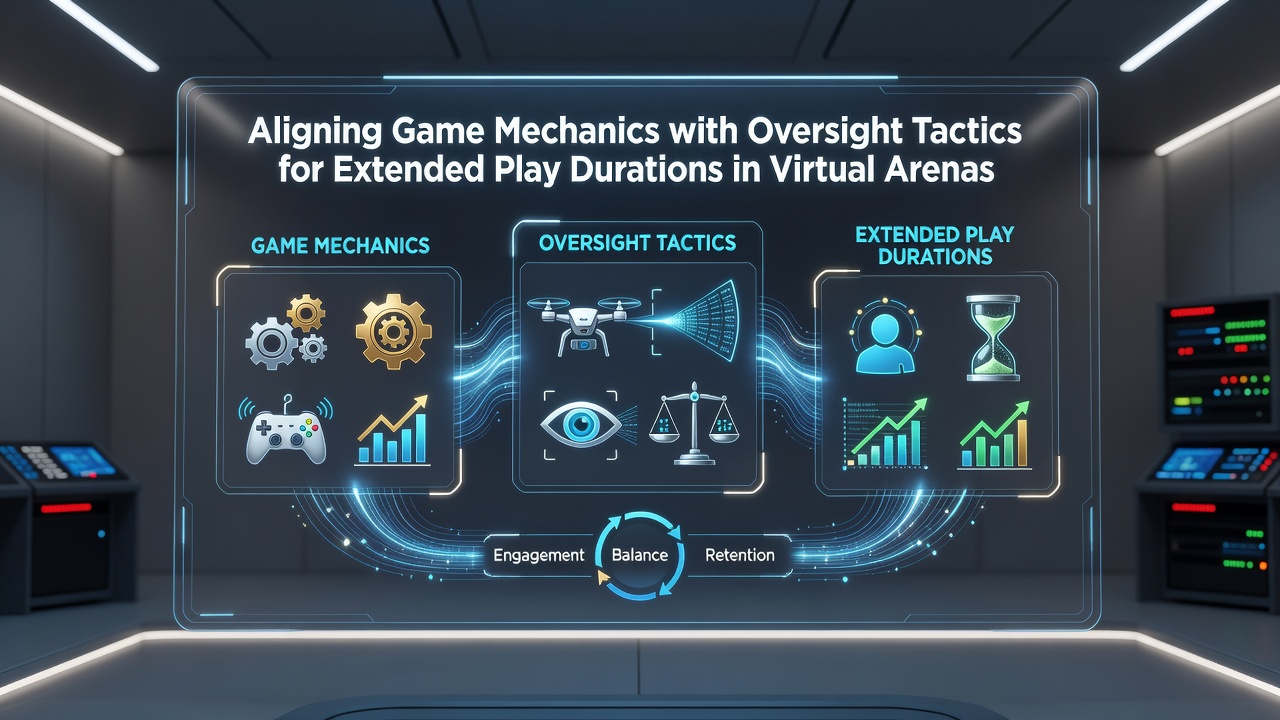
One documented approach involves embedding oversight prompts within the mechanical reward cycle itself, such as brief verification steps that unlock additional progression tiers. Research conducted at the University of Alberta's gaming lab demonstrates that these integrated checkpoints extend total playtime when they remain brief and clearly linked to tangible benefits. Developers also employ dynamic difficulty adjustments informed by oversight data, scaling challenges to individual retention curves rather than static population averages. Such methods have appeared in updates across multiple titles throughout 2025 and into mid-2026.
Observed Outcomes Across Platforms
Platform telemetry from operators in Asia-Pacific regions and North America reveals consistent patterns where aligned systems produce higher repeat login rates. Titles that synchronize seasonal events with proactive moderation campaigns report fewer account suspensions during peak activity windows, preserving larger active cohorts. External analyses from research institutions indicate that players encountering consistent enforcement alongside meaningful mechanical progression demonstrate extended lifetime value metrics, measured in cumulative hours across quarters rather than single sessions. These findings draw from aggregated datasets released by industry consortia representing developers in multiple jurisdictions.
Conclusion
Alignment between game mechanics and oversight tactics continues to shape engagement patterns in virtual arenas through structured reward integration, behavioral monitoring, and iterative calibration based on performance data. Ongoing developments through 2026 highlight how these elements combine to support extended play durations while maintaining operational stability across diverse player populations.